So you’re finally ready to take the plunge into property ownership, or maybe you’re looking to upgrade from your current living situation. The question keeping you up at night is probably the same one that’s been plaguing Australian property hunters for decades: apartment or house?
In 2026, this decision has become more complicated than ever. With median house prices across Australia sitting somewhere around the cost of a small European nation, and apartments springing up faster than you can say “stratified title,” figuring out which option suits your lifestyle and wallet requires a bit of thinking.
Let’s dive into what you actually need to consider when making this decision, without all the real estate agent fluff.
The Real Cost Beyond the Price Tag
Here’s the thing nobody tells you until you’re knee-deep in conveyancing documents: the purchase price is just the beginning of your financial commitment.
What You’re Actually Paying For
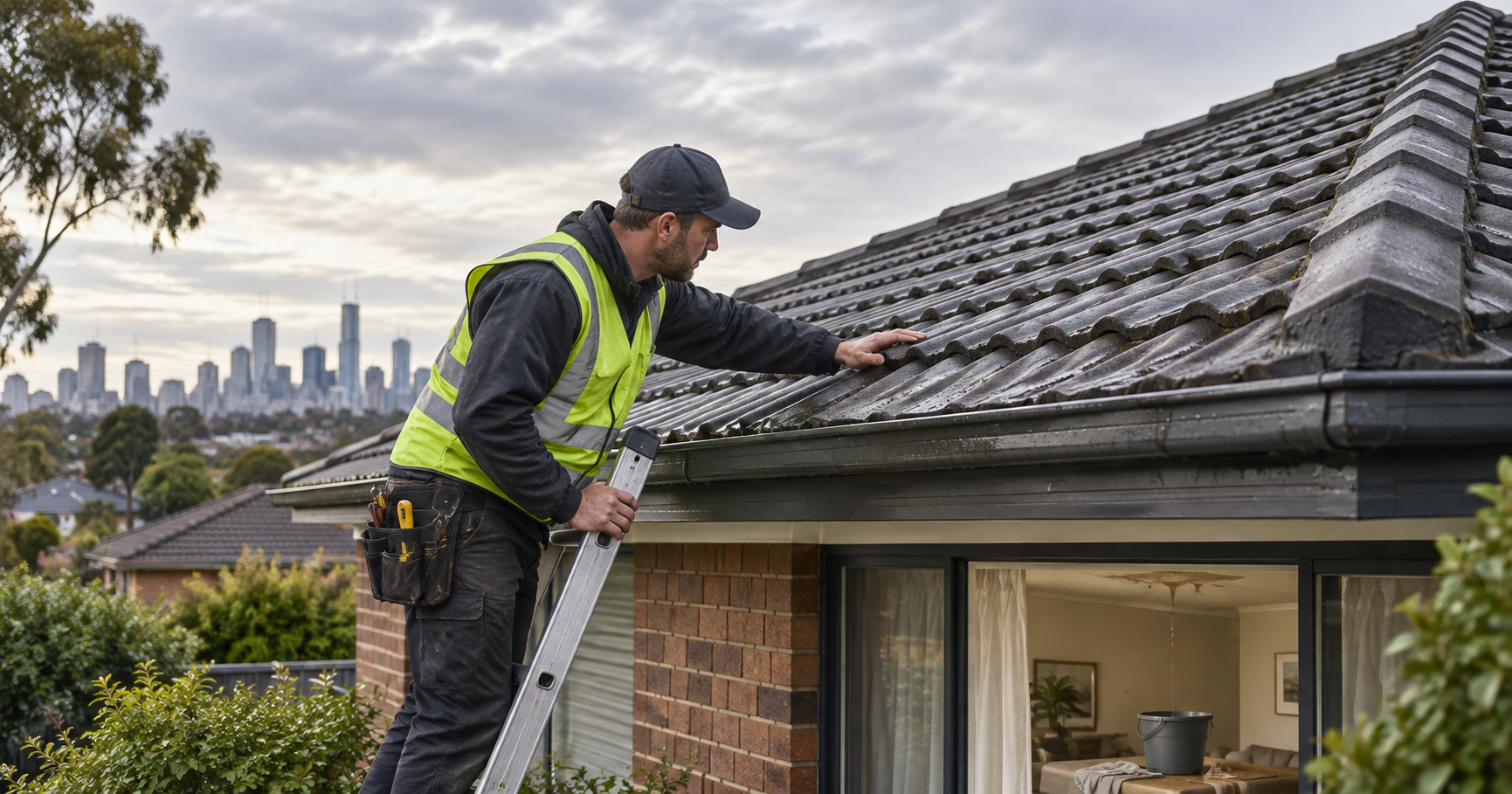
Houses come with the lot and all the responsibilities that entails. You’re looking at council rates that make you wince every quarter, water rates that somehow keep climbing, and maintenance costs that can ambush you like a spider in the shower. That new roof your surveyor mentioned? Yeah, that’s coming out of your pocket. The hot water system that’s been “working fine” for 15 years? Get ready to replace it the week after settlement.
Apartments might seem like the budget-friendly option at first glance, but strata fees are the gift that keeps on taking. These quarterly payments cover building insurance, common area maintenance, the concierge nobody uses, and that gym in the basement you’ll visit exactly twice. The good news is you’re not personally responsible when the building needs repainting or the lift breaks down. The bad news is you’re collectively responsible, which sometimes feels worse.
In 2026, average strata fees in Australian metro areas are sitting between $3,000 to $8,000 per year, depending on how fancy your building thinks it is. Houses don’t have these fees, but you’ll make up for it in maintenance costs, guaranteed.
Space: The Final Frontier
This is where the house versus apartment debate gets personal, because everyone’s definition of “enough space” varies wildly.
Living With What You’ve Got
Houses generally give you more room to spread out. You’ve got multiple bedrooms, often more than one bathroom (thank goodness), and actual storage space for all that stuff you keep meaning to throw out but never do. Plus, houses usually come with a backyard, which in Australia is basically a cultural requirement. Where else are you going to host BBQs and pretend you’re good at gardening?
But here’s the reality check: more space means more cleaning, more heating and cooling costs, and more opportunities to accumulate junk you don’t need. That spare bedroom you thought would be a home gym? It’s now a very expensive storage room for your old textbooks and that exercise bike you used once in 2019.
Apartments force you to be strategic with your space. Modern apartments in 2026 are generally better designed than their cramped counterparts from the early 2000s, but you’re still working with less square meterage. The trade-off is less cleaning, lower utility bills, and being forced to actually think about whether you need to keep that box of cables from 2005.
The real question is: do you value space or convenience more? Because you’re unlikely to get both unless you’ve got a serious budget.
Location: Where Do You Actually Want to Live?
In Australian property, location isn’t just important, it’s basically everything.
The Geography of Your Daily Life
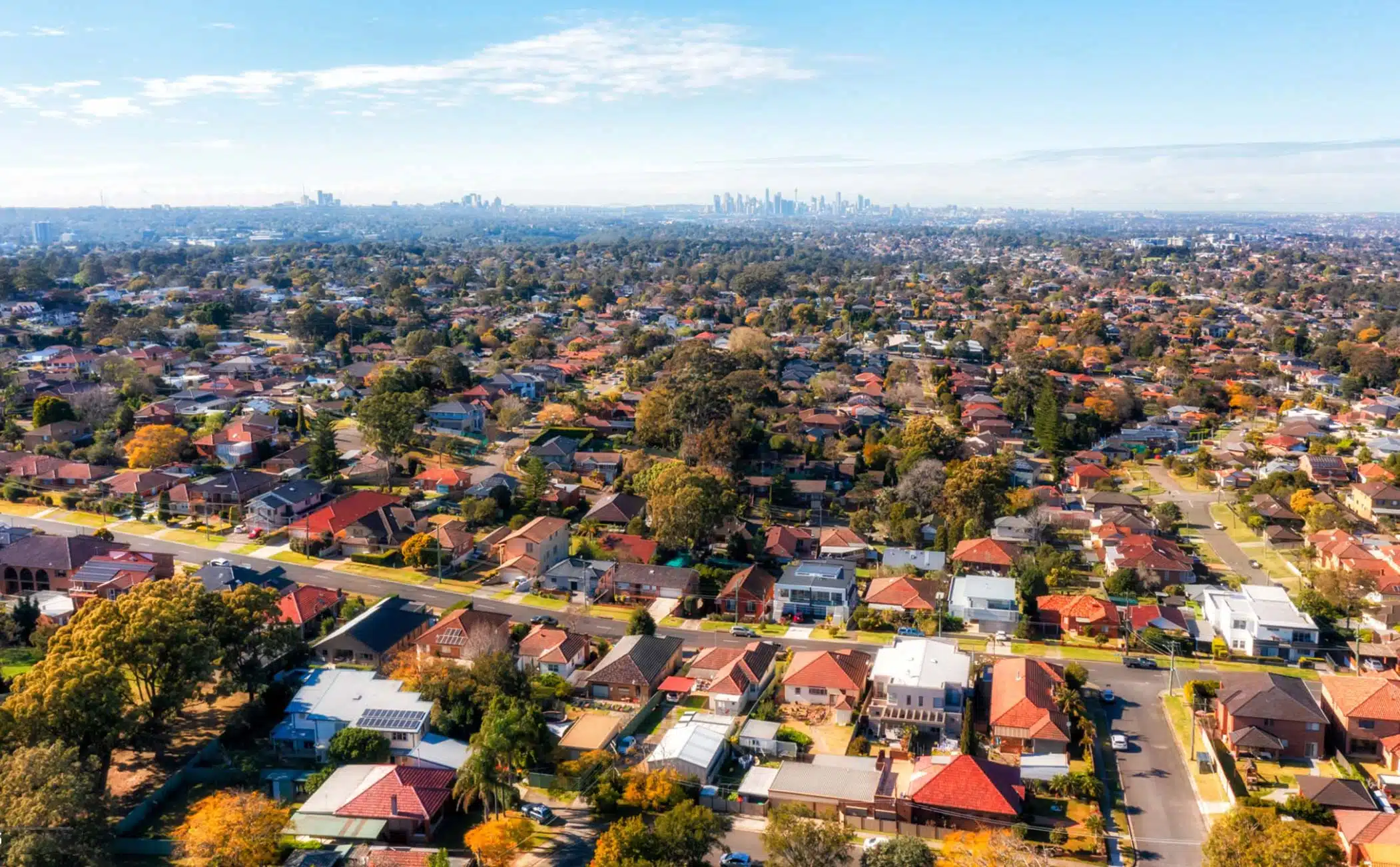
Apartments tend to dominate inner-city and inner-suburban areas. If you want to live within walking distance of Melbourne’s CBD, Sydney’s Circular Quay, or Brisbane’s South Bank, you’re almost certainly looking at apartment living. You’ll be close to work, restaurants, public transport, and all those cultural activities you tell yourself you’ll attend but probably won’t.
This proximity comes at a premium, but it also saves you time and money on commuting. In 2026, with petrol prices doing their best impersonation of a rocket and public transport capacity stretched thin, living close to where you work or play has serious value.
Houses typically require you to move further out from city centres to afford them. The classic Australian quarter-acre block is now mostly found in suburbs where “up and coming” is real estate code for “you’ll need a car.” But these areas often have better schools, more established community facilities, and neighbours who actually know each other’s names.
The commute factor is real. That extra hour each day spent on trains, trams, or in traffic adds up over a year. Is the extra space worth those 250-plus hours of your life spent commuting annually?
Lifestyle and Freedom: What Actually Matters to You?
This is where things get interesting, because your daily life in an apartment versus a house is genuinely different.
The Apartment Life
Living in an apartment in 2026 is pretty different from what it was a decade ago. Modern buildings come with amenities that would make your parents’ generation jealous: rooftop gardens, co-working spaces, secure parcel rooms, and sometimes even libraries or meditation rooms.
You can’t really do major renovations without body corporate approval, which can be about as fun as a root canal. Want to install that fancy new air conditioning system? You’ll need to ask permission first. Thinking about getting a dog? Better check those pet bylaws, because not all apartments are created equal when it comes to furry friends.
The noise factor is real. Walls are better than they used to be, but you’re still living in close proximity to other humans with their own ideas about appropriate music volumes and when it’s acceptable to move furniture.
On the flip side, security is generally better in apartments. You’ve got intercoms, CCTV, secure parking, and often a concierge or building manager keeping an eye on things. Going on holiday doesn’t require the same level of anxiety about break-ins.
The House Life
Owning a house means you’re the king or queen of your castle. Want to paint your bedroom bright purple? Go for it. Feel like building a deck? Knock yourself out. That wall between the kitchen and dining room annoying you? Get out the sledgehammer (after checking if it’s load-bearing, obviously).
You’ve got a garden, which depending on your perspective is either a relaxing weekend activity or an endless source of guilt about all the weeding you should be doing. Houses are also generally better for families with kids who need space to run around without complaints from downstairs neighbours.
The privacy factor is huge. No shared walls means you can have band practice, host dinner parties, or binge-watch TV at whatever volume you like without worrying about disturbing anyone. Your comings and goings are your own business.
But with great freedom comes great responsibility. Everything that goes wrong is your problem to fix. The roof leaks? That’s on you. Termites? Your nightmare. The hot water system dies on a Sunday night? Welcome to emergency plumber pricing.
Investment Potential: Looking Down the Track
Let’s be honest, most people buying property in Australia are hoping it’ll be worth more when they eventually sell it. The investment angle matters.
How Houses and Apartments Compare as Investments
Houses have historically been the stronger investment in Australia, mainly because of land value. You own the dirt beneath your property, and as the saying goes, they’re not making any more of it. Houses in good locations near transport, schools, and amenities tend to hold their value and grow steadily over time.
But here’s the 2026 reality: houses have become so expensive in capital cities that many first-time buyers simply can’t afford them. The barrier to entry is massive, which is pricing out an entire generation from the traditional pathway to property wealth.
Apartments have had a mixed track record as investments. In the early 2010s, oversupply in some markets led to apartments in certain areas actually decreasing in value, which was a nasty shock for buyers who believed the “property always goes up” myth. But well-located apartments in buildings with good facilities and low supply have performed respectably.
The key factors for apartment investment in 2026 are location, building quality, and strata management. An apartment in a well-maintained building in a sought-after suburb will likely perform better than a house in an area with poor transport links and limited amenities.
One thing to consider: apartments generally depreciate in building value while the land component appreciates. Houses do the same, but you own more land, which is where the real value lies. This is why apartments in areas with limited land supply (think beachfront or inner city) often perform better than those in areas where more high-rises can easily be built.
The Maintenance Burden: Who Fixes What?
This is one of those unglamorous topics that people don’t think enough about until something goes catastrophically wrong.
Houses: You’re the Maintenance Manager
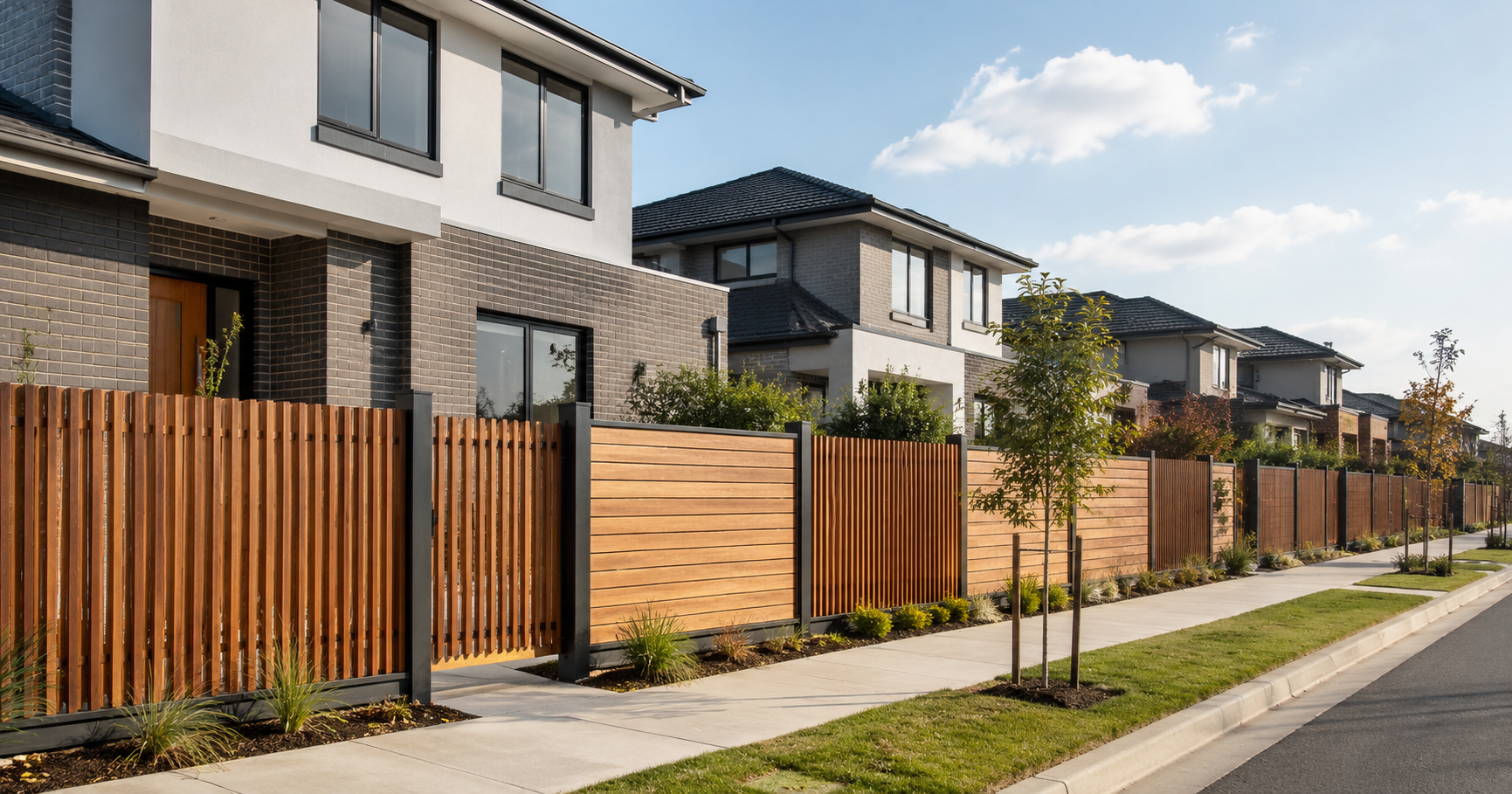
When you own a house, every maintenance task is yours to organize and pay for. The gutters need cleaning, the fence needs replacing, the driveway is cracking, the garden needs attention. It never stops.
The upside is you control when and how things get fixed. Want to shop around for the best price? Go for it. Happy to let that cosmetic issue slide for a few years? That’s your call. The downside is you need to actually stay on top of this stuff, or small problems become expensive disasters.
Factor in at least 1-2% of your property value per year for maintenance. For a $1 million house in 2026, that’s $10,000 to $20,000 annually. Some years you’ll spend less, some years more (hello, new roof).
Apartments: Collective Responsibility
In an apartment, major maintenance is handled by the owners’ corporation through your strata fees. This sounds great until you realize you have limited control over decisions and timing.
Need the building repainted? That’s a collective decision that might take years to approve. Lift broken? You’re waiting on the body corporate to organize repairs. Special levies for major works (like waterproofing or façade repairs) can hit hard and often come with minimal warning.
The trade-off is that day-to-day maintenance of common areas isn’t your problem. The gardens are maintained, the foyer is cleaned, the pool is serviced. You just need to worry about the inside of your apartment.
Build Quality and Age: Not All Properties Are Created Equal
Here’s something that doesn’t get discussed enough: when these properties were built matters a lot.
The Good, the Bad, and the Dodgy
Older houses (pre-1990s) were generally built with better materials and more solid construction than many modern houses. But they also come with old plumbing, outdated electrical systems, no insulation, and heating/cooling that’s about as efficient as leaving your money in the fireplace.
Modern houses (2000s onwards) are required to meet stricter energy efficiency standards, which is great. But the trade-off is sometimes thinner walls, less durable fittings, and a focus on maximizing floor space over build quality. Not always, but it’s worth being skeptical.
Apartments vary wildly. Older low-rise apartments from the 1960s-80s often have better build quality than the boom-era apartments from the early 2000s. The 2000-2010 building boom in Australian cities led to some pretty dodgy construction, with issues like cracking, water damage, and cladding problems showing up years later.
Apartments built after about 2015 generally have better standards, as regulations tightened up following several high-profile building disasters. But buying off-the-plan apartments still carries risk, as you’re essentially buying something that doesn’t exist yet.
Always get a thorough building inspection regardless of whether you’re buying a house or apartment. And for apartments, check the strata records for any outstanding building issues or upcoming special levies.
Environmental Considerations in 2026
This is more important now than it was even five years ago, both for your wallet and the planet.
Energy Efficiency and Running Costs
Modern apartments are generally more energy efficient than houses. They’re smaller, share walls (which means shared heating and cooling), and newer buildings have decent insulation and double-glazed windows. Your heating and cooling costs in an apartment are typically much lower than in a house.
Houses give you more control over environmental improvements. Want solar panels? Go for it. Interested in rainwater tanks? Install away. Thinking about a grey water system? Your call. But you’re starting with a larger space that costs more to heat and cool, often with poor insulation if it’s an older place.
In 2026, electricity prices have continued their upward march, making energy efficiency more crucial than ever. Factor this into your running costs when deciding between properties.
Flexibility and Future Needs
Think about where you might be in five or ten years.
Can This Property Grow With You?
Houses offer more flexibility for changing life circumstances. Planning to have kids? Houses are generally more kid-friendly. Working from home? Easier to create a dedicated office space. Parents moving in down the track? Houses can more easily accommodate multi-generational living.
But houses are also less flexible when you want to leave. Selling a house typically takes longer than selling an apartment, and the transaction costs are higher. If your work situation might change or you’re not sure where you want to be long-term, being locked into a house in the outer suburbs could be limiting.
Apartments work well for people whose lives are more flexible or in transition. They’re easier to lock up and leave if you need to travel for work, easier to sell if you need to relocate, and lower maintenance if you’ve got other priorities.
The downside is apartments are less adaptable. You can’t just add a room or convert the garage. What you see is basically what you get. If your needs change significantly, you’ll likely need to move.
The Social Factor: Community and Neighbours
This gets overlooked but can seriously impact your quality of life.
Living Alongside Others
Apartment living means being part of a strata community whether you like it or not. You’ll attend annual general meetings (or at least be invited to them), vote on building issues, and deal with the occasional difficult neighbour or body corporate committee member who takes their role way too seriously.
Some people enjoy this sense of community. Others find it frustrating and restrictive. You’re also more likely to bump into neighbours regularly, which can be nice or annoying depending on your personality and your neighbours.
House living generally offers more anonymity. You’ll probably get to know your immediate neighbours, but that’s about it. No AGMs, no strata dramas, no disputes about whether the building needs repainting. You wave hello over the fence and get on with your life.
The flip side is that if you do have problem neighbours in a house, you’ve got fewer mechanisms to address issues. At least in apartments, there’s a body corporate to complain to.
Making Your Decision
So here’s the thing: there’s no universally right answer to the apartment versus house question. It depends entirely on your personal situation, priorities, and what trade-offs you’re willing to make.
What You Should Actually Do
Choose an apartment if:
You want to live close to the city centre or major amenities, value convenience over space, don’t want to deal with maintenance and gardening, appreciate security features, have a smaller budget, or prefer a lock-up-and-leave lifestyle. Apartments make sense for professionals, small families, retirees downsizing, or anyone who prioritizes location and lifestyle over space.
Choose a house if:
You need more space, want a backyard, have kids or pets, like doing home improvements, want complete privacy, don’t mind commuting for a better location, or are looking for stronger long-term investment potential. Houses make sense for families, people who work from home, anyone with hobbies that need space, or those who want more control over their living environment.
What About a Townhouse?
Yeah, I know I said this was about apartments versus houses, but townhouses deserve a mention because they’re basically the compromise option.
Townhouses give you some of the space benefits of a house with some of the convenience benefits of an apartment. You usually get multiple levels, a small courtyard or balcony, and shared wall construction. They come with strata fees like apartments, but typically lower than high-rise buildings because there’s less infrastructure to maintain.
Townhouses can be a good middle ground if you can’t decide between an apartment and a house, or if you want space but can’t afford a house in your preferred location. They’re particularly popular with families who want to stay close to inner-city areas.
The Bottom Line
In 2026, both apartments and houses have their place in the Australian property market. Your choice should be based on your personal circumstances, lifestyle preferences, financial situation, and long-term plans.
Don’t let anyone tell you one is definitively better than the other. An apartment in a great location that suits your lifestyle will beat a house in the wrong area that drains your finances and time. Similarly, a house that gives your family room to grow and live comfortably is worth the extra maintenance effort if that’s what matters to you.
Visit plenty of properties, talk to people who live in both apartments and houses in your target areas, get proper financial advice, and trust your gut about what feels right for your situation. And remember, your first property doesn’t have to be your forever property. You can always reassess and change direction down the track.
Whatever you choose, make sure it works for your life, not just your aspirations of what your life should look like. Because at the end of the day, you’re the one who has to live there.