There is a version of the side hustle story that gets told as pure aspiration. You follow your passion. You monetise your hobby. You build something on your terms. And somewhere between the podcast launch and the Etsy store, financial freedom arrives.
The reality, for most Australians doing it right now, is a bit more straightforward than that. They need the money.
According to Westpac research published in November 2025, more than half of Australians — 55% — are either currently earning from a side hustle or actively considering starting one. Of those, 27% are already doing it, and a further 28% said they planned to launch something within the next twelve months. When asked why, 77% cited extra income as the main reason. For women and for people in regional Australia, that figure climbs to 83%.
This is not the passion economy. This is the cost-of-living economy wearing a different hat.
The numbers behind the shift
To understand the scale of what is happening, it helps to zoom out. The ABS recorded 974,000 Australians holding multiple jobs as of March 2024, representing 6.7% of the employed workforce. That is the formal, counted layer. The informal layer, covering the freelance invoices, the weekend shifts, the Airtasker gigs, the tutoring arranged through the school WhatsApp group, is considerably larger.
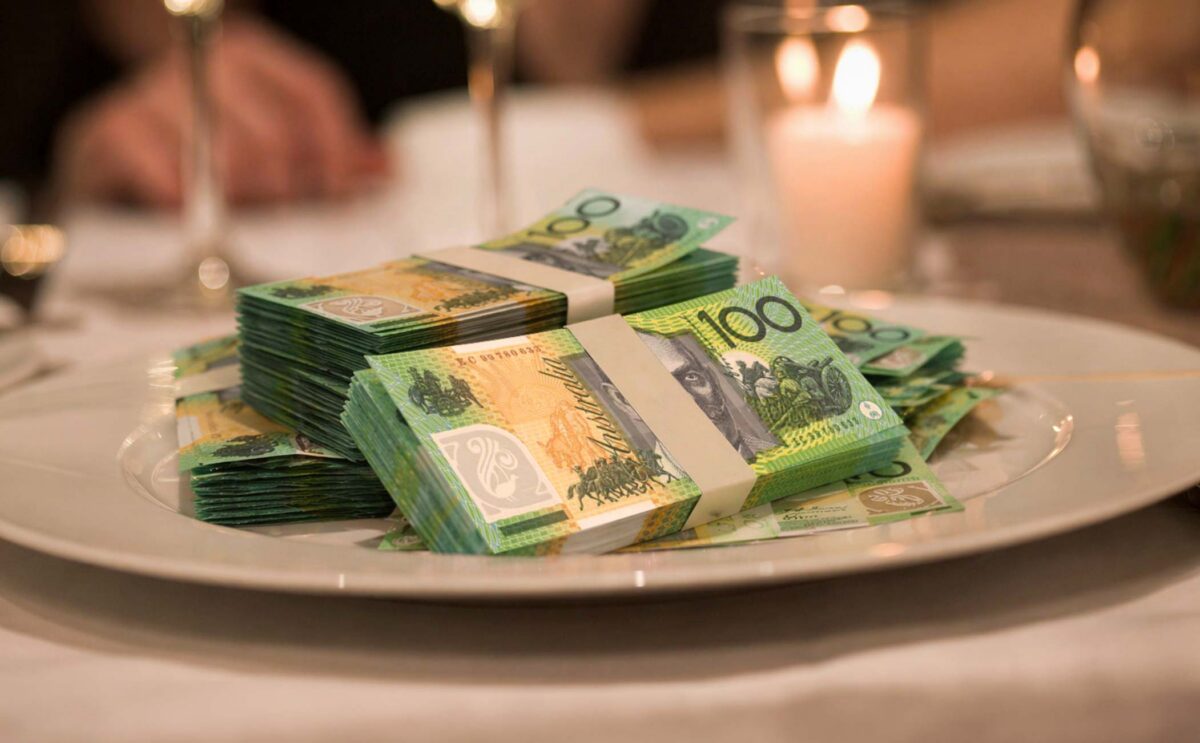
The Westpac research puts the average side hustle income at $736 a month, or roughly $8,800 a year. Two thirds of side hustlers earn under $500 a month; around one in five earns $1,000 or more. Neither figure changes your life on its own. But $736 a month is a grocery bill. It is a chunk of rent. In a cost-of-living environment where wages have not kept pace with what things actually cost, that kind of supplementary income matters in a way that is less glamorous and more essential than the way side hustles tend to be written about.
Queenslanders are doing it more than anyone else, with 34% currently running an active side hustle, compared to 28% of Victorians and 23% of people in NSW and the ACT. Perhaps counterintuitively, the gap between metropolitan and regional Australians is almost non-existent: 27% in metro areas versus 28% in regional ones. The assumption that this is primarily a big-city hustle culture does not hold up.
What people are actually doing
The most in-demand gig in Australia by advertised volume is delivery driving, with over 4,200 roles listed on job platforms at any given time. It is accessible, immediate, and requires almost no setup cost beyond a vehicle and an ABN. For that reason it also sits at the lower end of the earning spectrum.
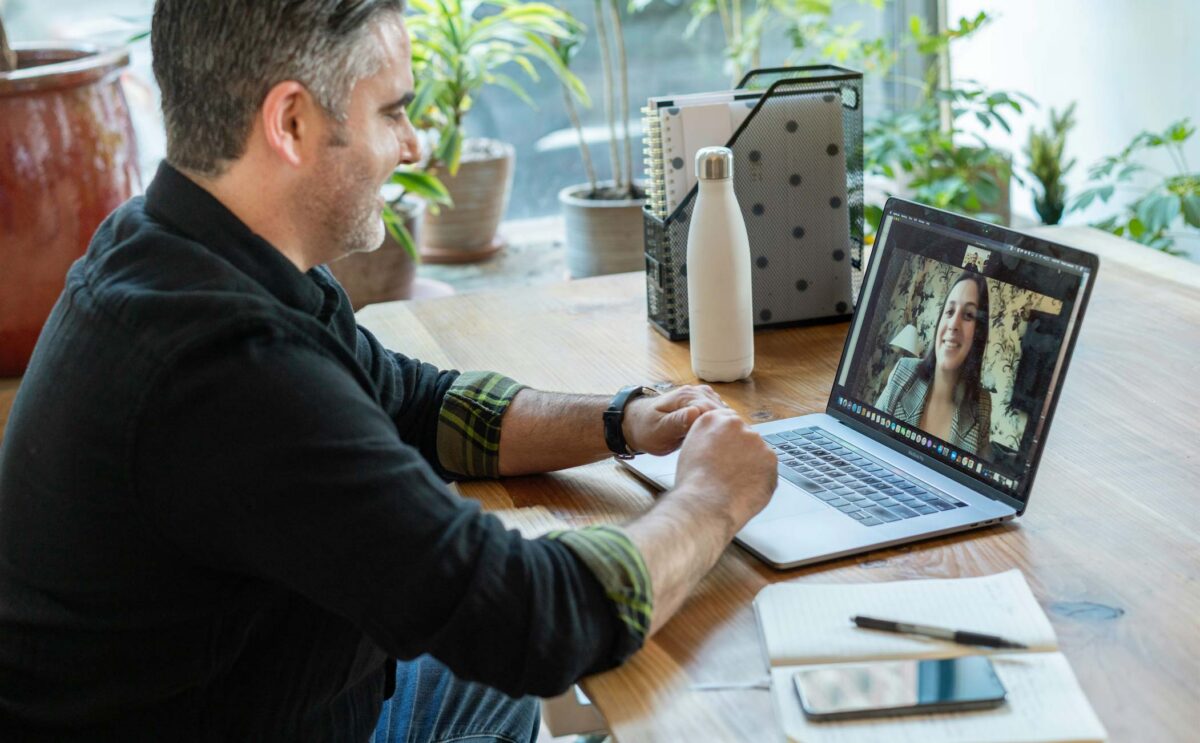
At the other end are what have been called sofa side hustles: digital, remote, skills-based work done from a laptop. These average around $44 an hour, compared to $33 an hour for traditional gigs. Within that category, online tutoring tops the rate charts at approximately $101 an hour, followed by specialist consulting, where practitioners with backgrounds in IT, finance, marketing, or legal services can charge anywhere from $100 to $300 an hour on a project basis.
Freelance writing and content creation, web development, graphic design, and bookkeeping for small businesses round out the higher-earning digital tier. These are not passive income streams that generate money while you sleep. They are skilled labour, delivered on your own schedule, and they are in genuine demand.
Who is doing it and why it is not just about the money
The 18 to 34 age group is running the most side hustles, averaging 1.75 per person in that cohort, which suggests that stacking income streams rather than relying on one is becoming a default rather than an exception for younger workers. This generation entered the workforce during or after the pandemic, often into volatile employment conditions, and many of them have simply never assumed that one job would be enough.
But the side hustle is not only a young person’s phenomenon. The motivations that show up most consistently across age groups are financial, but the secondary reasons are worth taking seriously. Flexibility, independence, creative fulfilment, skill development, and the appeal of working on something that is genuinely your own are not incidental benefits. For many people, the side hustle is where they are doing the work they actually want to do, not the work their day job requires of them.
Westpac’s research found that 62% of current side hustlers want to keep things small and supplementary. They are not trying to build an empire. They want a reliable extra few hundred dollars a month and the ability to stop if life requires it. But 30% do have bigger ambitions. They are using the side hustle as a testing ground, building skills and an income base with a view to going part-time or full-time in something other than what they are currently doing.
That is a meaningful number. Roughly one in three people with a side hustle is using it as an active rehearsal for a different working life.
The thing nobody talks about enough: tax
Side hustle culture loves to discuss income potential. It is considerably less enthusiastic about the ATO.
All side hustle income must be declared in your annual tax return, regardless of the amount, whether it is paid in cash, via platform, or through a private arrangement. An Australian Business Number (ABN) is free to obtain and worth doing before taking on paid work, as it prevents clients from withholding tax on your invoices. If your side hustle earns more than $75,000 in a twelve-month period, GST registration becomes mandatory, though rideshare and taxi drivers must register from day one regardless of earnings level.
The upside of declaring properly is that legitimate business expenses become claimable deductions: equipment, software, professional development, and home office costs are all in scope. Getting the structure right from the start costs very little and saves a meaningful headache come July.
A structural shift, not a trend
The way we tend to write about side hustles often treats them as a lifestyle accessory, something you pick up and put down depending on the economy or your mood. The data suggests something more durable is happening. When more than a quarter of working Australians are actively running a side income, and another quarter are seriously considering it, what you are looking at is not a trend but a structural shift in how people think about work and income.
The single-employer, single-income model of employment is not disappearing, but it is being supplemented, sometimes willingly and sometimes out of necessity, by a more fragmented, more self-directed, and in some cases more fulfilling approach to earning a living. The future of work, as it turns out, is not one thing. It is several things at once, and for a growing number of Australians, that is simply becoming the norm.
The Midland covers work, culture, and the way Australians live. Explore more at The Midland.