A change that started at the front boundary is quietly reshaping how new estates present themselves to the street.
Drive through any of Melbourne’s growth corridors today, Wyndham, Melton, Whittlesea, Casey and Cardinia, and the humble paling fence is having something of a moment. Front boundaries that would once have disappeared behind a hedge are now doing real design work: horizontal slats, mixed timber and steel, feature battens set out from the line rather than flush against it. It’s worth asking why, because a fence used to be the last thing anyone thought about.
Part of the answer is simply arithmetic. Blocks in newer estates are smaller than they used to be, and getting smaller still: Victoria’s updated Small Lot Housing Code, which covers growth municipalities including Wyndham, Melton, Casey and Whittlesea, now allows homes on lots under 100 square metres without a planning permit. Less garden to hide a boundary behind means more incentive to make the fence itself do some of the visual work. When the fence is one of the first things a visitor or a passer-by actually sees, homeowners are starting to treat it less like a barrier and more like the front of the house.
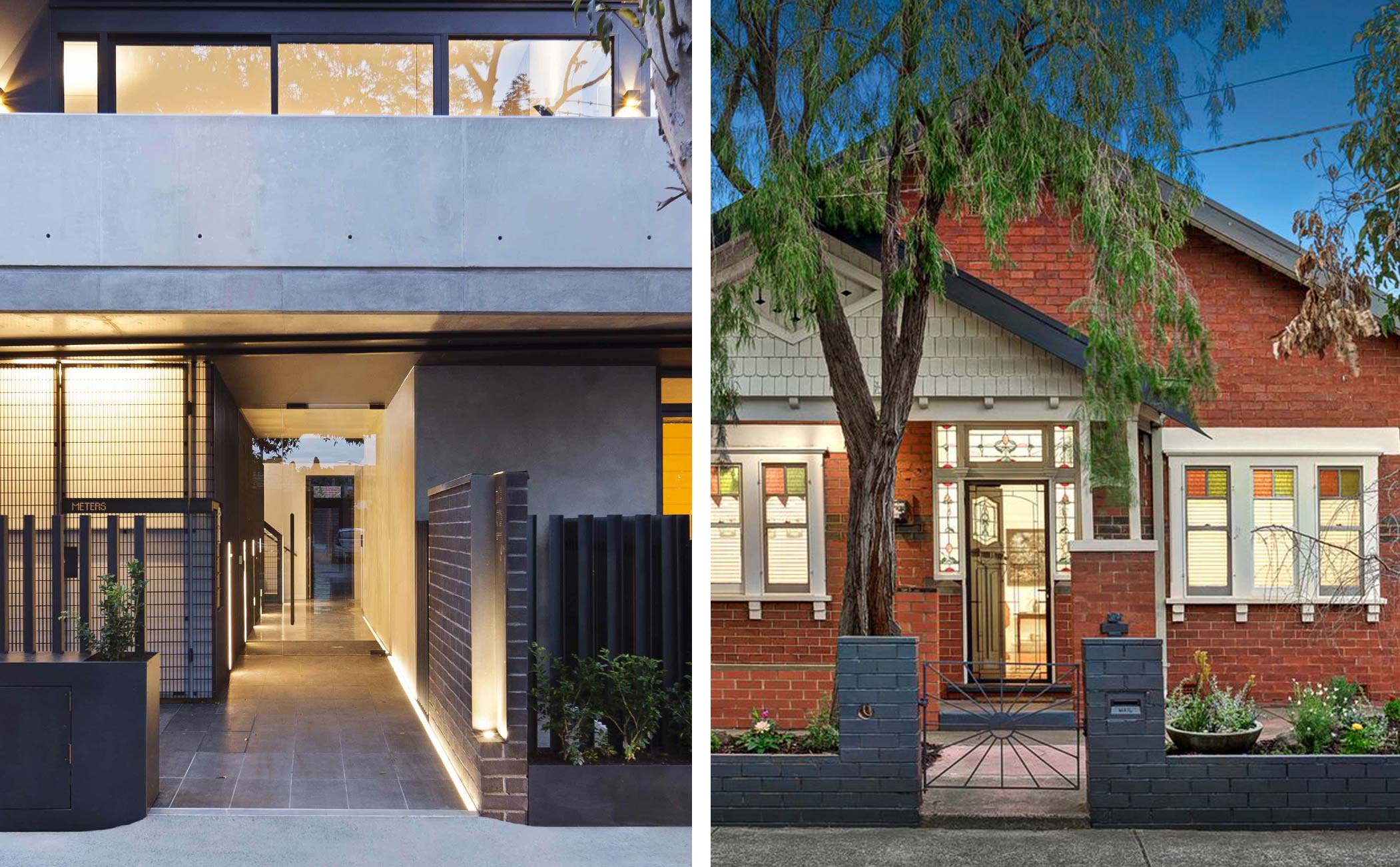
There’s also a street presentation angle that project builders understand well. New estates live and die on kerb appeal, both for the builder marketing a display home and for an owner wanting their build to look distinct from four near identical facades in a row. Feature timber, whether that’s a run of vertical hardwood battens or a mixed timber and steel design, is one of the more affordable ways to make a standard elevation look considered rather than off the shelf.
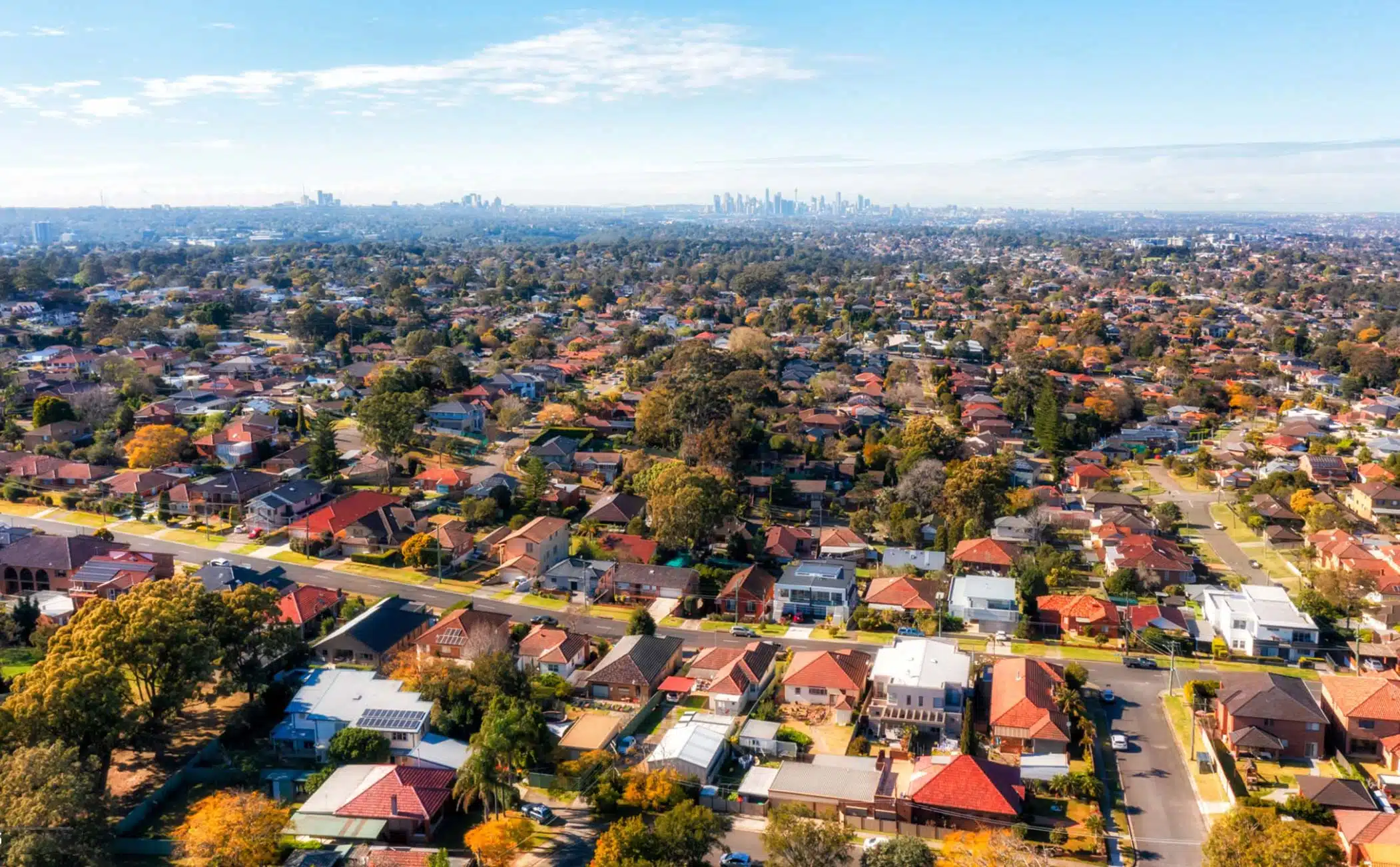
The outer corridors are also where most of this construction is actually happening. Australian Bureau of Statistics data shows Melbourne’s outer west and south east growth corridors among the fastest growing parts of the country, with suburbs such as Fraser Rise-Plumpton adding thousands of residents in a single year. That volume of new building is exactly where fencing decisions get made from scratch rather than inherited from a previous owner.
Then there’s the product itself. Timber treatments have improved enough that a feature fence isn’t the maintenance headache it once was. Better modified and treated pine options mean homeowners can get a look closer to a premium hardwood species without quite the same price tag or upkeep, which has opened feature fencing up to a much wider budget than it would have suited a decade ago.
None of this is really about fashion for its own sake. It reflects smaller blocks, a stronger emphasis on street presentation, and a wider, more affordable range of timber products than existed even five years ago. Whether that holds as blocks get smaller still, or gives way to something else entirely, is probably the next question worth asking.
Local suppliers such as Demak Outdoor Timber & Hardware, which has run timber yards in Melbourne’s east for more than three decades, are among those stocking the range of feature and structural fencing options behind the trend.