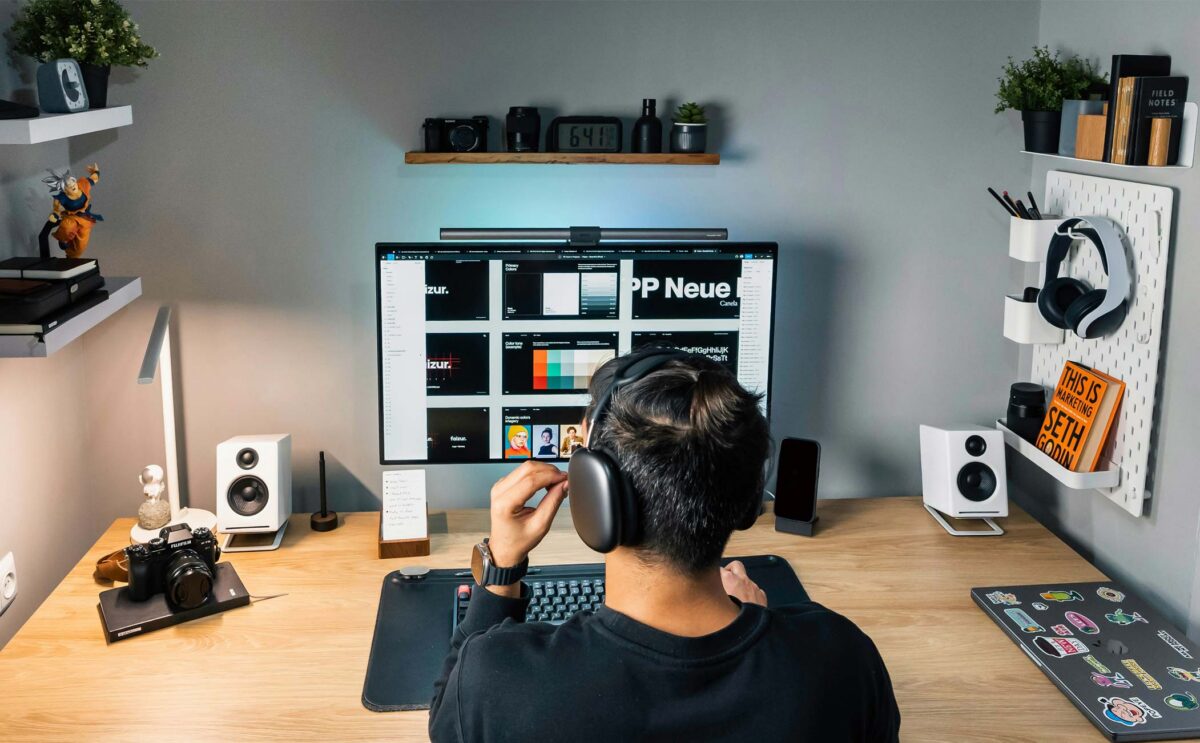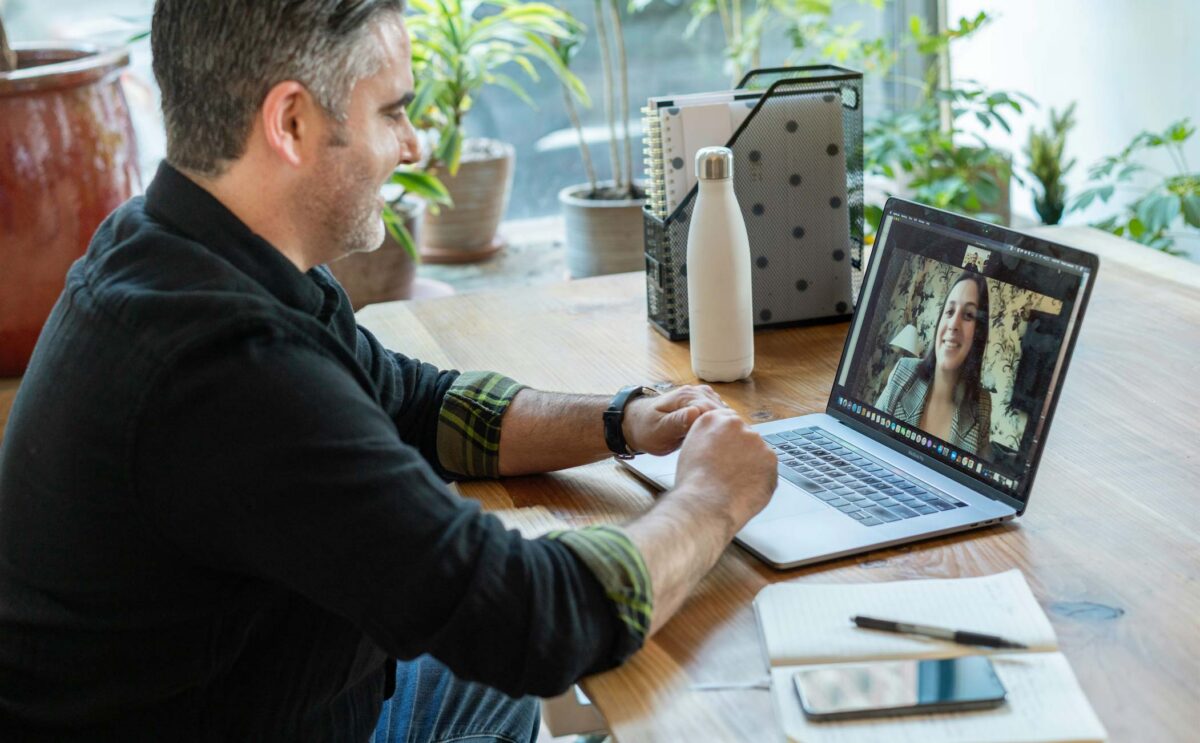
Over the past few years, the way Australians work has changed dramatically. What began as a temporary response to lockdowns and public health measures quickly evolved into a long-term shift in workplace culture. For many employees, working from home is no longer viewed as a short-term arrangement, it has become an expectation.
As businesses continue to encourage staff back into physical workplaces, debates around flexibility, productivity, and employee rights are becoming increasingly common. While some employers believe office attendance is essential for collaboration and company culture, many workers are pushing to maintain the flexibility they gained during the remote work era.
Why Employees Want to Keep Working from Home
For many Australians, remote work has significantly improved work-life balance. Without long commutes, workers have gained extra time for family responsibilities, exercise, and personal wellbeing. In major cities like Melbourne and Sydney, avoiding peak-hour traffic and crowded public transport has become a major advantage.
Employees also report financial benefits from working remotely. Reducing spending on fuel, parking, public transport, takeaway lunches, and office attire can make a noticeable difference during a cost-of-living crisis.
Beyond convenience, many workers believe they are actually more productive at home, with fewer interruptions, quieter environments, and flexible schedules often allowing people to focus more effectively on tasks. While remote work may not suit every role or personality, many Australians feel they have proven they can perform successfully outside a traditional office setting.
Employers Are Pushing for Office Returns
Despite the popularity of remote work, many companies are encouraging employees to return to the office either full-time or through hybrid arrangements. Business leaders often argue that face-to-face interaction improves collaboration, innovation, and workplace culture.
Some employers also believe younger workers benefit from in-person mentoring and professional development opportunities that can be harder to replicate remotely. Team bonding, spontaneous conversations, and easier communication are frequently cited as reasons to maintain office attendance.
There are also practical considerations. Businesses that lease large office spaces may feel pressure to justify the cost of commercial real estate. Empty offices can become difficult to explain financially, particularly for organisations with long-term lease commitments. Companies investing in modern office environments often focus on air quality, energy efficiency, and employee wellbeing, leading to growing demand for upgrades like industrial air HVAC systems Melbourne businesses rely on to create more comfortable commercial spaces.
As a result, tensions are emerging between employers seeking structure and employees wanting flexibility.
The Legal and Workplace Rights Debate
As remote work becomes more common, conversations around workplace rights are also evolving. Employees increasingly expect flexibility to be considered part of standard employment conditions rather than a temporary privilege.
In Australia, some workers already have the right to request flexible working arrangements under the Fair Work Act, particularly parents, carers, and employees experiencing certain personal circumstances. However, employers can still refuse requests on reasonable business grounds.
This has created an ongoing debate about whether broader protections for remote work should exist. Employee advocates argue that flexibility improves wellbeing, reduces burnout, and supports workforce participation, particularly for parents and people living further from city centres.
The Impact on Australian Cities and Businesses
The rise of working from home has affected far more than individual workplaces. Entire industries that once relied heavily on office workers have experienced major changes. Cafes, restaurants, retail stores, and public transport systems in CBD areas have all been impacted by reduced commuter traffic, and commercial property markets have also shifted as some businesses downsize office space or rethink long-term leasing needs.
At the same time, suburban businesses and regional areas have benefited from increased local spending. With more people staying closer to home during the workday, neighbourhood cafes and local service providers have seen stronger demand in some areas. The long-term economic impact of remote work continues to evolve, but it’s clear that the traditional relationship between workers and city offices has changed significantly.
Is the Office Really Dead?
While headlines often suggest the office is disappearing entirely, the reality is more complex. Offices still play an important role in many industries, particularly for collaboration, training, and relationship-building. However, the expectation that every employee must commute five days a week is increasingly being challenged. Australian workers have experienced a different way of working, and many are reluctant to give up the flexibility that remote work provides.
Rather than the end of the office, Australia is likely entering a new phase where flexibility becomes the standard, and businesses that adapt successfully may be better positioned to attract and retain talent in an increasingly competitive workforce.