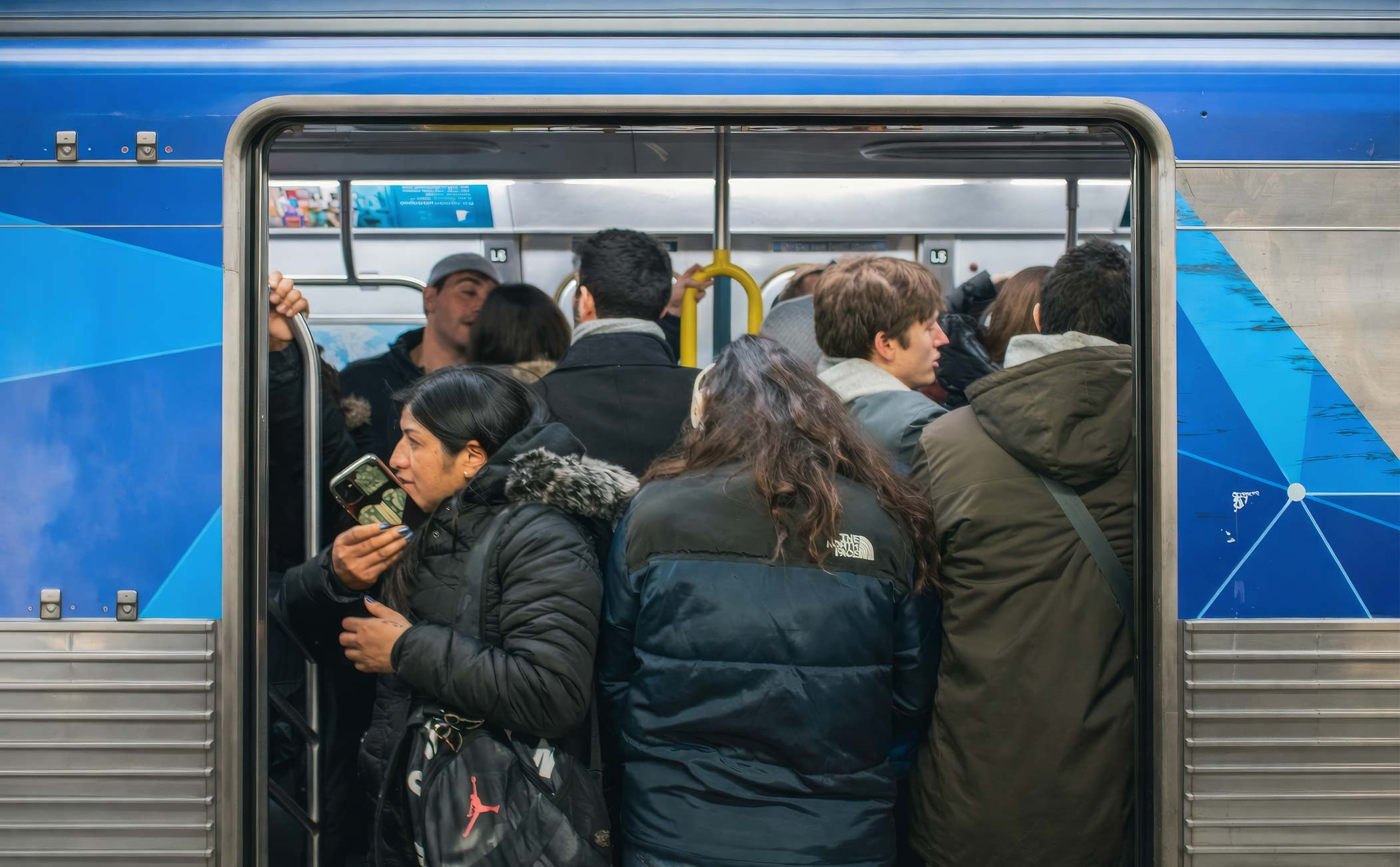
Remember when “going to work” meant putting on uncomfortable shoes, sitting in traffic for an hour, and pretending to look busy while you counted down the minutes until lunch? Yeah, those were the days. Except they weren’t, really.
The COVID-19 pandemic threw the Australian workplace into a blender and hit the “chaos” setting. What emerged was something nobody quite expected: a genuine conversation about whether we actually need to spend five days a week in fluorescent-lit offices eating sad desk salads.
Now, as we settle into 2025, Australian businesses and workers are locked in an awkward dance about what “normal” work actually looks like. Is it remote? Hybrid? Full-time office? Let’s dig into this mess and see if we can make sense of it.
The Great Office Exodus (And the Awkward Return)
When COVID hit in 2020, Australian offices emptied faster than a servo at closing time. Knowledge workers suddenly found themselves on Zoom calls in their pyjamas, discovering that yes, they could actually do their jobs without Karen from accounts popping by their desk every 20 minutes to chat about her cat.
For a glorious moment, it seemed like we’d collectively realised something profound: maybe the traditional office wasn’t the productivity paradise we’d been sold. Commutes vanished. Parents could actually see their kids during daylight hours. People in Sydney weren’t spending three hours a day on trains. Revolutionary stuff.
But then the Great Return began. CEOs started getting twitchy. “Collaboration!” they cried. “Company culture!” they insisted. “We need people back in the office!” they demanded, often while sending these messages from their home offices in the Blue Mountains.
The result? A workplace landscape that’s more divided than a pub argument about whether Vegemite belongs on cheese toasties (it does, obviously).
Remote Work: The Dream That’s Still Alive
For some Australians, remote work isn’t just a perk anymore. It’s non-negotiable. They’ve tasted freedom and they’re not interested in going back to the old ways.
The numbers tell an interesting story. According to various workplace surveys, somewhere between 30 to 40 per cent of Australian workers who can work remotely would quit their jobs if forced to return to the office full-time. That’s not a small number. That’s a “we’ve got a situation here” number.
Remote work has genuine benefits that go beyond not having to wear pants to meetings (though that’s not nothing). Workers save money on commuting, eating out, and work clothes. They gain back hours of their lives previously spent staring at the back of someone’s head on public transport. Regional Australia suddenly became viable for jobs that previously required living in overpriced capital cities.
Towns like Ballarat, Bendigo, and even places further out saw an influx of remote workers escaping Melbourne and Sydney’s insane housing markets. These workers brought their metropolitan salaries to regional economies, which was brilliant for those communities and slightly awkward for locals who suddenly couldn’t afford a coffee.
But remote work isn’t all sunshine and working from a beach in Queensland (which, by the way, is absolutely terrible for your laptop screen). It comes with challenges that nobody really anticipated during those first excited months of lockdown.
The isolation is real. Humans are social creatures, even the introverted ones who pretend they’re not. Working from home full-time can start to feel like being in a very comfortable prison where the warden is your own procrastination and the guards are your unwashed coffee mugs.
Career progression becomes weird when you’re just a face on a screen. The informal mentorship, the casual learning, the networking that happens naturally in offices? That stuff doesn’t translate well to Slack messages and scheduled Zoom calls. Junior workers especially have struggled with this, missing out on the kind of organic learning that happens when you can just wheel your chair over to ask a question.
And let’s talk about the elephant in the room: work-life balance becomes work-life blur. When your bedroom is your office is your living room, switching off becomes genuinely difficult. Australians working remotely reported working longer hours than they did in offices, which kind of defeats the purpose of the whole thing.
Hybrid Work: The Compromise Nobody’s Happy With
Enter hybrid work, the awkward middle child of workplace arrangements. Three days in the office, two at home. Or two in, three out. Or some other combination that somebody decided during a meeting that probably could have been an email.
On paper, hybrid work sounds perfect. You get the flexibility of remote work with the collaboration and social benefits of office work. Best of both worlds, right?
In reality, hybrid work often feels like getting the worst of both worlds. You still need to maintain a home office setup, but you also need to commute regularly. You’re expected to be available for in-person collaboration, but half your team is at home on any given day. You’re paying for an overpriced flat in the city so you can be “close to work,” but you’re only there 60 per cent of the time.
The logistical nightmare is real. Booking desks through apps. Trying to schedule meetings when everyone’s actually in the office. The weird Tuesday-to-Thursday office days where Wednesday is packed and Monday and Friday are ghost towns. It’s not exactly efficient.
But here’s the thing: despite the complications, hybrid work is actually winning. Most Australian businesses that have settled on any post-pandemic arrangement have landed on some version of hybrid. It’s the compromise that allows businesses to maintain their expensive office leases while giving workers enough flexibility to not immediately rage-quit.
Major Australian companies like Telstra, Commonwealth Bank, and Westpac have adopted hybrid models. The typical arrangement seems to be hovering around three days in the office, two at home, though this varies wildly by industry, role, and how stubborn your particular CEO is about “the way things used to be.”
Back to Office: The Old Guard Strikes Back
Then there’s the full return to office camp. These are the businesses that looked at the pandemic, learned absolutely nothing, and decided that 2019-style work was actually perfect, thank you very much.
Some Australian companies have mandated full-time office returns. Their reasoning usually involves buzzwords like “innovation,” “synergy,” and “company culture,” which are apparently things that can only happen when everyone’s breathing the same recycled air-conditioned air.
The cynics among us (hi, it’s me) might suggest that this has more to do with expensive office leases and middle managers justifying their existence than any actual productivity concerns. If nobody’s in the office, what exactly is that floor manager managing? Hard questions.
The full return-to-office push has been met with exactly the enthusiasm you’d expect: minimal. Workers have pushed back. Some have quit. Others have grudgingly complied while updating their resumes. The talent war is real, and companies demanding full-time office attendance are finding themselves at a disadvantage when competing for skilled workers.
That said, some industries genuinely do benefit from in-person work. Healthcare, hospitality, trades, manufacturing… you can’t exactly perform surgery or fix someone’s plumbing via Zoom. For knowledge workers though, the case for mandatory office attendance gets fuzzier.
What the Data Actually Says
Let’s get into some actual facts, because feelings only get you so far in this argument.
Productivity studies on remote work have been all over the place, which tells you something important: it depends. Some studies show remote workers are more productive. Others show they’re less productive. The truth seems to be that it varies wildly based on the individual, the role, and how well the organisation supports remote work.
What is clear is that Australian workers overwhelmingly prefer flexibility. Survey after survey shows that flexibility in where and when they work is now one of the top priorities for workers, often ranking above salary increases. That’s significant.
The Australian Bureau of Statistics reports that as of 2024, around 40 per cent of employed Australians regularly work from home at least part of the time. That’s a massive shift from pre-pandemic numbers, when it was closer to 8 per cent.
Commercial real estate in Australian cities has been hit hard. Office vacancy rates in Sydney and Melbourne are hovering around 15 to 20 per cent in some areas, which is causing genuine economic concern. Those fancy office towers in the CBD aren’t just expensive to maintain when they’re empty; they’re part of a whole ecosystem of businesses (cafes, dry cleaners, sandwich shops) that rely on office workers.
The suburban and regional property markets, meanwhile, have gone bananas. Remote workers have driven up prices in previously affordable areas as people realised they could live somewhere nice instead of somewhere convenient to an office they rarely visit.
The Generational Divide
Here’s where it gets interesting: younger workers and older workers want different things.
Gen Z and younger Millennials, who are earlier in their careers, tend to value office time more than older workers. They’re trying to build networks, learn from experienced colleagues, and establish themselves professionally. Remote work makes all of that harder.
Older workers, particularly those with families and established careers, prefer remote or hybrid arrangements. They’ve already built their networks, they know how to do their jobs, and they value the flexibility more than the collaboration.
This creates a fascinating tension in workplaces. The people who most need in-person mentorship and learning are the ones most likely to be remote, while the experienced workers they need to learn from are working from home.
Smart companies are grappling with this by being intentional about when and why people come to the office. It’s not about butts in seats for the sake of it; it’s about creating meaningful in-person time that actually adds value.
The Australian Context Matters
Australia isn’t America, and our approach to work reflects that. We’ve historically valued work-life balance more than our American counterparts (though we’re still not quite at European levels of sensibility on this front).
Our cities are sprawling, which makes commutes genuinely painful. Sydney’s average commute time is over an hour each way in some suburbs. Melbourne’s not much better. That’s two hours a day, ten hours a week, that workers are getting back with remote work. That’s significant.
We’ve also got a strong union presence in many industries, which has given workers more leverage in these negotiations than they might have elsewhere. The Australian Council of Trade Unions has been vocal about supporting flexible work arrangements as a workplace right, not a privilege.
The Fair Work Act amendments in recent years have strengthened workers’ rights to request flexible arrangements, though employers can still refuse for “reasonable business grounds.” What counts as “reasonable” is still being tested through various workplace disputes.
The Commercial Real Estate Problem
Let’s address the elephant wearing a hard hat in the room: all those empty office buildings.
Australian cities, particularly Sydney and Melbourne, invested heavily in commercial office space in the 2010s. Those buildings are now significantly under-utilised, and the commercial property sector is feeling the pain.
This isn’t just a problem for property developers and landlords. It’s a problem for city centres that designed themselves around office workers. The CBD ecosystems of cafes, restaurants, gyms, and retail all depended on a steady flow of office workers. When those workers disappeared, so did a huge chunk of business.
Some Australian cities are trying to convert office space into residential apartments, but this is expensive and complicated. Buildings designed for offices don’t easily convert into liveable apartments. Different plumbing, different layouts, different requirements.
The smarter approach might be accepting that we overbuilt office space for an era of work that’s not coming back, and adapting accordingly. Some office buildings might become residential. Some might become mixed-use. Some might be repurposed entirely. The CBDs of Australian cities are going to look different in 2030 than they did in 2019, and that’s probably okay.
What Comes Next?
Crystal ball time: where is all this heading?
The full return to office seems increasingly unlikely for most knowledge work. The cat’s out of the bag, and workers have tasted flexibility. Trying to force everyone back full-time is a recipe for losing your best people to more flexible competitors.
Pure remote work also seems unlikely to be the dominant model. The challenges around collaboration, culture, and career development are real, and most organisations have realised that some in-person time has value.
The likely future is a continuation and refinement of hybrid work, but with more intentionality than the current “pick three days” approach. Forward-thinking companies are thinking about what actually needs to happen in person and building their schedules around that.
We’re probably heading towards a world where in-office days are more purposeful. Team meetings, brainstorming sessions, client presentations, training, onboarding. The stuff that genuinely benefits from face-to-face interaction. Individual work, routine tasks, and focused deep work can happen from anywhere.
The four-day work week conversation is also bubbling along in Australia, with some companies experimenting with it. This could be the next frontier of workplace flexibility, combining with hybrid arrangements to give workers even more control over their time.
Technology will continue to improve, making remote collaboration better. Virtual reality meetings might become a thing (though please, nobody make me attend a meeting as an avatar, that’s dystopian). Better project management tools, communication platforms, and ways of replicating the spontaneous interactions of office life will emerge.
The Real Question: What Should You Do?
If you’re a worker trying to navigate this mess, here’s the honest advice: know what you need and be willing to advocate for it.
If you’re early in your career, you probably do need some in-person time to learn and network. Don’t sacrifice your development for the convenience of working from home full-time.
If you’re established and remote work genuinely improves your life and productivity, make that case to your employer. The market is on your side right now. Good workers with in-demand skills have leverage.
If you’re an employer, stop treating this as a control issue and start treating it as a performance issue. Do your workers actually need to be in the office five days a week, or is that just what you’re comfortable with? Are you measuring outputs or just monitoring inputs?
The future of work in Australia isn’t going to be one-size-fits-all. It’s going to be messy, varied, and constantly evolving. Companies that embrace flexibility and trust their workers will attract better talent. Companies that dig in their heels and demand the old ways will struggle.
The Bottom Line
The future of work in Australia is probably hybrid by default, with variations based on industry, role, and organisational culture. Pure remote and pure office will exist at the extremes, but most of us will end up somewhere in the middle.
This isn’t the workplace revolution some people hoped for, but it’s not the return to 2019 that others feared. It’s a compromise, which is very Australian when you think about it.
The question isn’t really “remote, hybrid, or office?” anymore. The question is “how do we make work actually work for the people doing it?” Different answers will work for different people, and that’s fine.
What we hopefully won’t do is slide all the way back to the old ways just because that’s comfortable for people who’ve always done it that way. The pandemic taught us that work is more flexible than we thought. Let’s not forget that lesson just because we’ve stopped panic-buying toilet paper.
The workplace of the future in Australia will be defined by flexibility, intentionality, and hopefully, a bit more common sense than we’ve shown so far. Workers want reasonable flexibility. Businesses need some in-person collaboration. These things aren’t mutually exclusive.
Now if you’ll excuse me, I need to move my laptop from my kitchen table to my couch. It’s important to have variety in your remote workspace, even if it’s only two metres away.